Turn Cleanup Time Into Learning Time
A playful, practical book by School Psychologist Dr. Randi G. Brown that helps families turn everyday cleanup into games that build organization, responsibility, executive functioning, independence, and connection.
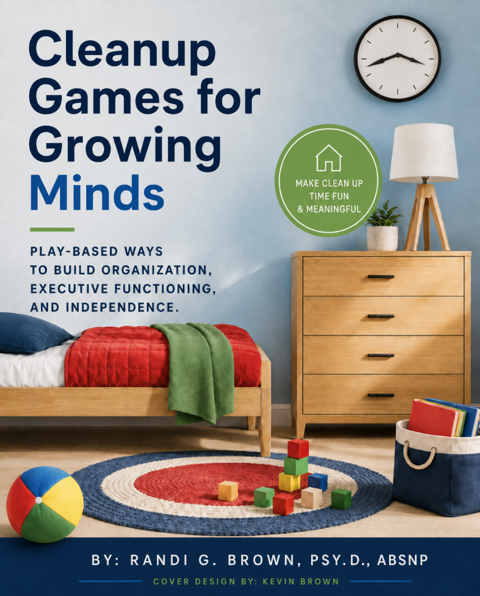
Book!
From Power Struggles to Playful Progress
Cleanup Games for Growing Minds helps parents transform cleanup from a daily power struggle into an opportunity for learning, play, responsibility, and family connection. Packed with creative cleanup games, organizational strategies, storage ideas, and practical routines designed for real families.
Learning Through Play
Transform cleanup into engaging games that naturally teach sorting, counting, sequencing, and problem-solving — skills children need for school and life.
Responsibility Without Power Struggles
Build intrinsic motivation and cooperation by making cleanup feel rewarding, achievable, and fun — not punishing or overwhelming.
Organization Made Simple
Practical storage ideas, labeling strategies, and routines that make it easy for children to know where things go and feel proud of their space.
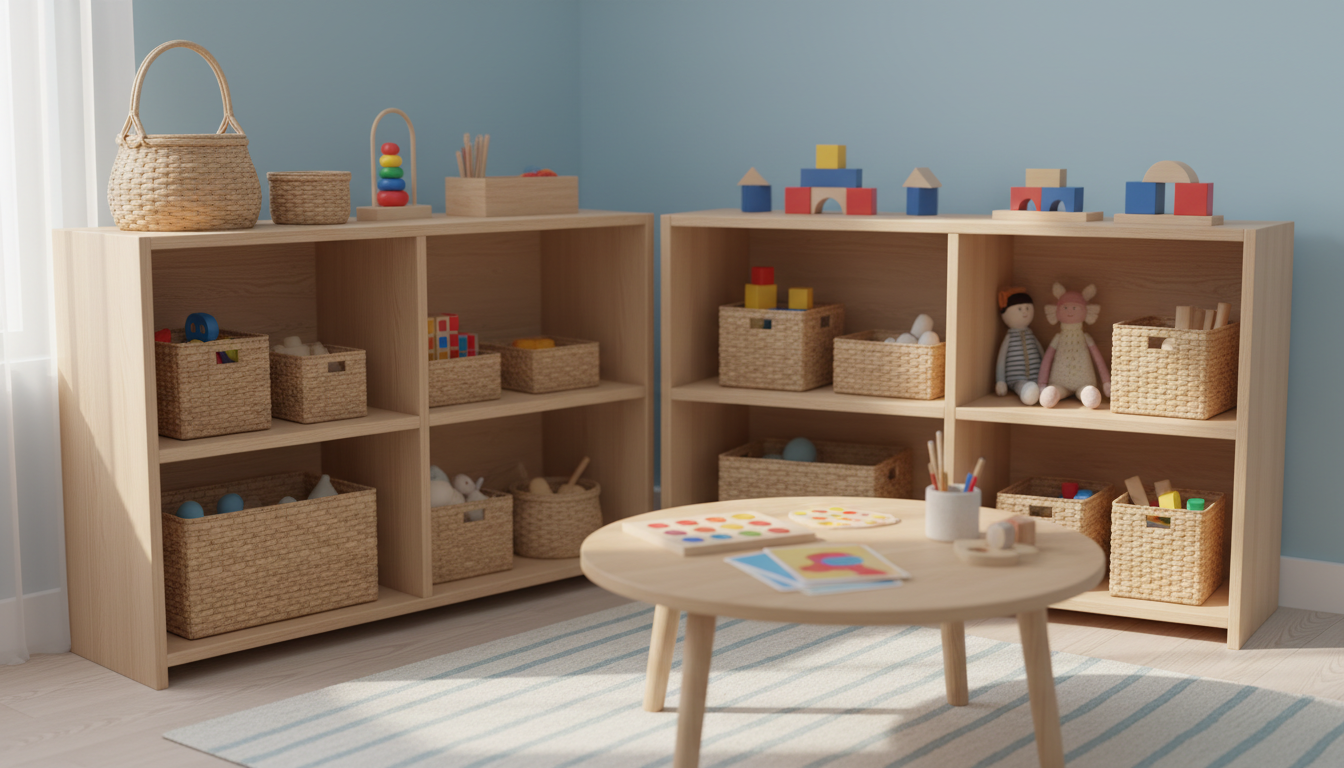
See How the Games Work
Each game in the book includes clear instructions, adaptations for different ages and abilities, and a parent tip to make cleanup meaningful.
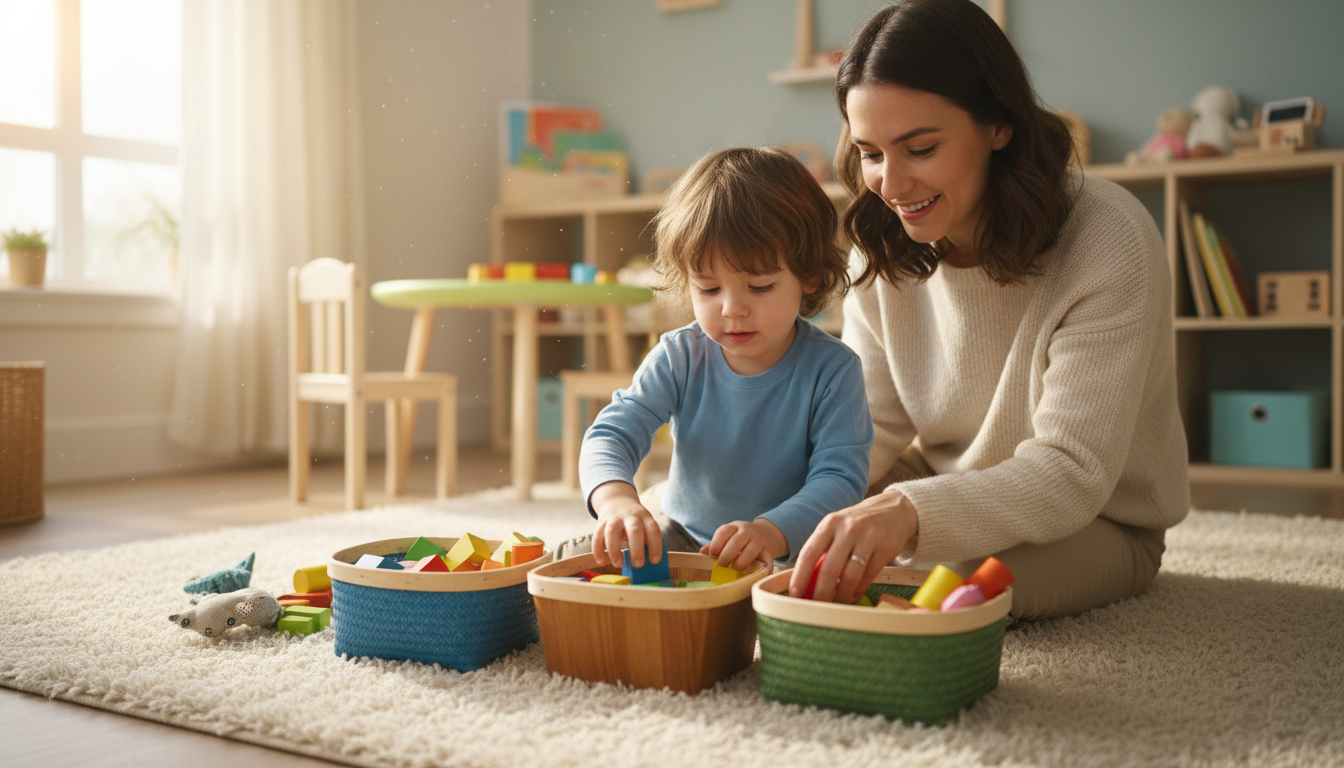
Written for Real Families
This book is for the parent who has said "clean up your room" a hundred times, for the family with the overflowing toy box, and for the child who melts down at transitions. You do not need a perfectly organized home — you just need a starting point.
Designed for real homes — not picture-perfect playrooms
Works with busy schedules — games take just a few minutes each day
Helps children who struggle with transitions, attention, or knowing where to begin
Focuses on progress over perfection — small wins build big habits
Tools for Your Classroom
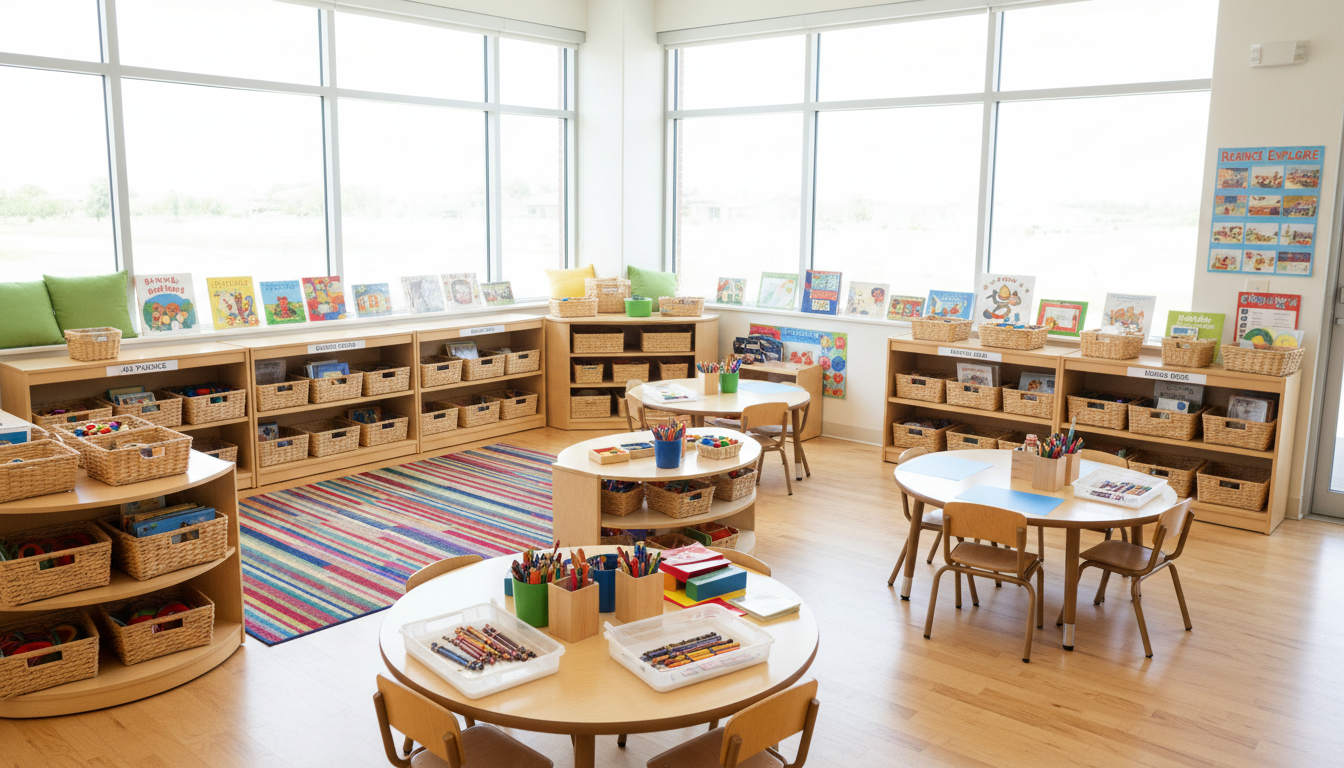
Whether you are managing a classroom of twenty preschoolers or supporting a child one-on-one, these games give you practical tools for smoother transitions, structured routines, and meaningful executive functioning practices.
The strategies adapt to group settings, individual sessions, and diverse developmental needs — making cleanup a learning opportunity, not a lost moment.
Preschool Teachers
Support classroom transitions and cleanup routines with games children actually enjoy.
Daycare Providers
Create consistent, fun cleanup systems that work across different age groups.
Homeschool Families
Integrate executive functioning practices into everyday household routines.
Therapists & Specialists
Use cleanup games as tools for building self-regulation, sequencing, and independence.
Need Help Creating a Cleanup Routine That Works?
Dr. Brown can help parents and groups adapt cleanup games and organization strategies to their child's age, personality, attention span, developmental needs, and home environment.
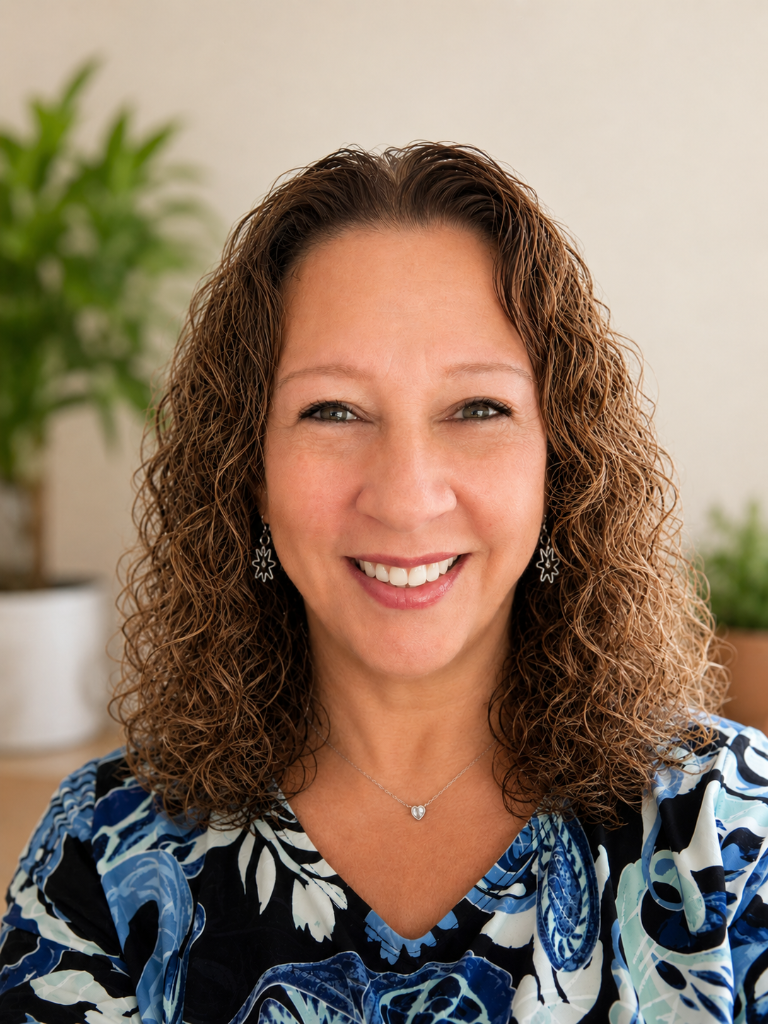
Dr. Randi G. Brown
Psy.D., ABSNP — School Psychologist / School Neuropsychologist (ABSNP)
Dr. Randi G. Brown is a School Psychologist, Child Development Expert, and parent who created these cleanup games from both professional knowledge and real family experience. After years of helping children develop executive functioning skills in school settings, she saw an opportunity to bring those same principles into homes through play.
Her approach combines evidence-based developmental strategies with the warmth, humor, and flexibility that real family life demands. She believes that every child can learn organization and responsibility — when the process feels safe, supported, and fun.
Frequently Asked Questions
What age group is this book for?
Cleanup Games for Growing Minds is primarily designed for families with children ages 3 to 8. However, many of the games and strategies can be adapted for younger toddlers or older children depending on their developmental needs and interests.
Can these games help children who struggle with attention or transitions?
Absolutely. Many of the games were specifically designed to support children who find transitions difficult, who struggle with attention and focus, or who become overwhelmed by multi-step tasks. The games break cleanup into smaller, more manageable — and more fun — steps.
Is this only for parents?
Not at all. While the book is written with parents in mind, the games and strategies are highly effective for preschool teachers, daycare providers, occupational therapists, speech language pathologists, school psychologists, homeschool families, and anyone who works with young children.
Do I need special materials?
No. Most games in the book require nothing more than the toys and items already in your home or classroom. A few games suggest simple supplies like a timer, stickers, or sticky notes — things most families already have on hand.
How do cleanup games support executive functioning?
Executive functioning includes skills like planning, organizing, prioritizing, remembering steps, managing time, and controlling impulses. Cleanup games naturally exercise these skills by asking children to sort, categorize, sequence, follow multi-step directions, and sustain attention — all within a playful, low-pressure context.